Buy chinamarket.eu ?
We are moving the project
chinamarket.eu .
Are you interested in purchasing the domain
chinamarket.eu ?
domain@kv-gmbh.de · 0541-91531010
Buy chinamarket.eu ?
Why do you perform chest compressions?
Chest compressions are performed during cardiopulmonary resuscitation (CPR) to manually pump blood through the body when the heart is not able to do so effectively. This helps to maintain blood flow to vital organs, such as the brain, until more advanced medical help can arrive. The goal of chest compressions is to keep the person alive until their heart can be restarted or until emergency medical services can take over. **
How to perform chest compressions on individuals with funnel chest?
When performing chest compressions on individuals with funnel chest, it is important to adjust the hand placement slightly. Instead of placing the heel of the hand in the center of the chest, it should be positioned slightly to the side of the sternum to avoid putting direct pressure on the depressed area. The compressions should still be performed at a rate of 100-120 per minute, with the chest being compressed at least 2 inches deep. It is crucial to ensure that the compressions are effective in order to maintain blood flow and circulation to vital organs. **

Similar search terms for Chest compressions
Top-Angebote
Products related to Chest compressions:
-
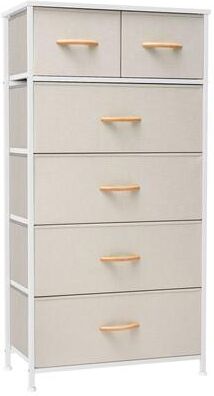
6-drawer Chest Vertical Dresser Storage Tower by Crestlive ProductsIntroducing the 6-drawer chest vertical dresser storage tower by Crestlive Products. This stylish and functional organizer provides ample storage space for your wardrobe and linen essentials, making it easy to find and grab what you need right away.78,29 $*Shipping: 0,00 $Secure redirect to the provider
-
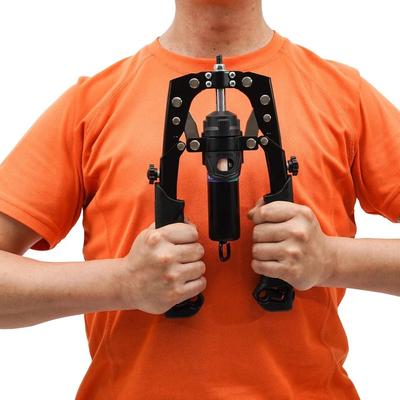
Multicon Wholesale Hub Premium Adjustable Hydraulic Power Twister Arm & Chest Strength Trainer Premium Adjustable Hydraulic Power Twister Arm & Chest Strength TrainerTransform your workouts and build real strength from home with the adjustable hydraulic power twister that adapts to your fitness level. Designed for anyone who wants a simple yet powerful way to tone arms, chest and shoulders, this compact trainer...109,97 $*Shipping: 0,00 $Secure redirect to the provider
-
Multicon Wholesale Hub Adjustable Twister Arm Exerciser Hydraulic Chest Expander For Home Strength Training Adjustable Twister Arm Exerciser Hydraulic Chest Expander For Home Strength TrainingBuild strength with confidence, right from home. This hydraulic power twister is made for anyone who wants a stronger chest, arms, shoulders, and back without bulky gym equipment. With smooth adjustable resistance from 22440 lbs, it supports...144,97 $*Shipping: 0,00 $Secure redirect to the provider


-
How do you perform chest compressions on a woman?
When performing chest compressions on a woman, the technique is the same as for a man. Place the heel of one hand on the center of the woman's chest, between the nipples. Place the other hand on top of the first hand and interlock the fingers. Keep your arms straight and position your shoulders directly above your hands. Press down firmly and quickly, allowing the chest to recoil completely between compressions. Remember to perform compressions at a rate of 100-120 per minute. **
-
How often do you perform chest compressions during resuscitation?
During resuscitation, chest compressions are typically performed at a rate of 100 to 120 compressions per minute. The compressions are performed continuously until emergency medical services arrive or until the person shows signs of life. **
-
What happens if you perform chest compressions without reason?
Performing chest compressions without reason can cause harm to the person receiving them. Chest compressions can cause broken ribs, damage to internal organs, and other injuries if not done properly or if not needed. It is important to only perform chest compressions when the person is in cardiac arrest and not breathing, as part of CPR. Otherwise, it is crucial to assess the situation and provide the appropriate care based on the person's condition. **
-
How to perform chest compressions on individuals with pectus excavatum?
When performing chest compressions on individuals with pectus excavatum, it is important to place the heel of your hand slightly higher on the sternum to ensure effective compression. This adjustment helps to avoid the deeper depression caused by the condition. It is also recommended to use the standard compression depth of at least 2 inches for adults and to maintain the proper rate of compressions at 100-120 per minute. Additionally, be mindful of any discomfort the individual may experience during the process and adjust your technique as needed. **


How do you perform chest compressions on individuals with pectus excavatum?
When performing chest compressions on individuals with pectus excavatum, it is important to place the heel of your hand slightly higher on the sternum to ensure effective compression. This adjustment helps to avoid putting excessive pressure on the chest wall and minimizes the risk of causing injury. It is also recommended to use the standard compression depth of at least 2 inches for adults and to maintain the proper rate of compressions, which is around 100-120 compressions per minute. Additionally, it is crucial to monitor the effectiveness of the compressions by checking for adequate chest rise and fall during CPR. **
Does the bra need to be removed during CPR with chest compressions?
Yes, the bra should be removed during CPR with chest compressions. It is important to have direct access to the chest in order to effectively perform chest compressions and ensure proper circulation of blood. Removing the bra allows for better positioning of the hands and more effective compressions, which can be crucial in a life-threatening situation. **
Top-Angebote
Products related to Chest compressions:
-
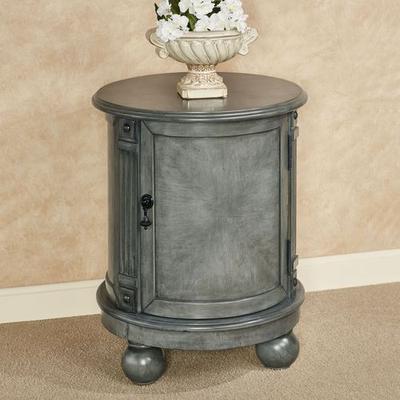
Coast To Coast Imports, Llc Everton Chairside Accent Chest Gray , GrayThe Everton Round Chairside Accent Chest captures attention with enthralling details. Finished in gray, the wooden storage cabinet features contrasting woodgrain designs throughout the fluted pilasters, curved door, round top, and bun feet. With a...449,00 $*Shipping: 62,86 $Secure redirect to the provider
-
Global Crafts Global Kitchen Fair Trade Gift SetThis socially-responsible kitchen gift box is designed for the family chef! Featuring handmade, Fair Trade goods from Kenya & Nepal, this gift box comes beautifully packaged with handmade items from around the world.96,99 $*Shipping: 0,00 $Secure redirect to the provider
-
6-drawer Chest Vertical Dresser Storage Tower by Crestlive ProductsIntroducing the 6-drawer chest vertical dresser storage tower by Crestlive Products. This stylish and functional organizer provides ample storage space for your wardrobe and linen essentials, making it easy to find and grab what you need right away.78,29 $*Shipping: 0,00 $Secure redirect to the provider
-
Multicon Wholesale Hub Premium Adjustable Hydraulic Power Twister Arm & Chest Strength Trainer Premium Adjustable Hydraulic Power Twister Arm & Chest Strength TrainerTransform your workouts and build real strength from home with the adjustable hydraulic power twister that adapts to your fitness level. Designed for anyone who wants a simple yet powerful way to tone arms, chest and shoulders, this compact trainer...109,97 $*Shipping: 0,00 $Secure redirect to the provider
-
Why do you perform chest compressions?
Chest compressions are performed during cardiopulmonary resuscitation (CPR) to manually pump blood through the body when the heart is not able to do so effectively. This helps to maintain blood flow to vital organs, such as the brain, until more advanced medical help can arrive. The goal of chest compressions is to keep the person alive until their heart can be restarted or until emergency medical services can take over. **
-
How to perform chest compressions on individuals with funnel chest?
When performing chest compressions on individuals with funnel chest, it is important to adjust the hand placement slightly. Instead of placing the heel of the hand in the center of the chest, it should be positioned slightly to the side of the sternum to avoid putting direct pressure on the depressed area. The compressions should still be performed at a rate of 100-120 per minute, with the chest being compressed at least 2 inches deep. It is crucial to ensure that the compressions are effective in order to maintain blood flow and circulation to vital organs. **
-
How do you perform chest compressions on a woman?
When performing chest compressions on a woman, the technique is the same as for a man. Place the heel of one hand on the center of the woman's chest, between the nipples. Place the other hand on top of the first hand and interlock the fingers. Keep your arms straight and position your shoulders directly above your hands. Press down firmly and quickly, allowing the chest to recoil completely between compressions. Remember to perform compressions at a rate of 100-120 per minute. **
-
How often do you perform chest compressions during resuscitation?
During resuscitation, chest compressions are typically performed at a rate of 100 to 120 compressions per minute. The compressions are performed continuously until emergency medical services arrive or until the person shows signs of life. **
Similar search terms for Chest compressions
-
Multicon Wholesale Hub Adjustable Twister Arm Exerciser Hydraulic Chest Expander For Home Strength Training Adjustable Twister Arm Exerciser Hydraulic Chest Expander For Home Strength TrainingBuild strength with confidence, right from home. This hydraulic power twister is made for anyone who wants a stronger chest, arms, shoulders, and back without bulky gym equipment. With smooth adjustable resistance from 22440 lbs, it supports...144,97 $*Shipping: 0,00 $Secure redirect to the provider
-
Best Sellers BundleDaily Delight Gummies combine 5mg THC and 25mg CBD to deliver an extra-strength dose of carefree joy, High-Potency Mood Boost Gummies will upgrade her aura with 5mg THC, 50mg CBD, and 30mg Saffron, and lullaby-like Deep Sleep Gummies blend 25mg CBD,...106,22 $*Shipping: 0,00 $Secure redirect to the provider
-
What happens if you perform chest compressions without reason?
Performing chest compressions without reason can cause harm to the person receiving them. Chest compressions can cause broken ribs, damage to internal organs, and other injuries if not done properly or if not needed. It is important to only perform chest compressions when the person is in cardiac arrest and not breathing, as part of CPR. Otherwise, it is crucial to assess the situation and provide the appropriate care based on the person's condition. **
-
How to perform chest compressions on individuals with pectus excavatum?
When performing chest compressions on individuals with pectus excavatum, it is important to place the heel of your hand slightly higher on the sternum to ensure effective compression. This adjustment helps to avoid the deeper depression caused by the condition. It is also recommended to use the standard compression depth of at least 2 inches for adults and to maintain the proper rate of compressions at 100-120 per minute. Additionally, be mindful of any discomfort the individual may experience during the process and adjust your technique as needed. **
-
How do you perform chest compressions on individuals with pectus excavatum?
When performing chest compressions on individuals with pectus excavatum, it is important to place the heel of your hand slightly higher on the sternum to ensure effective compression. This adjustment helps to avoid putting excessive pressure on the chest wall and minimizes the risk of causing injury. It is also recommended to use the standard compression depth of at least 2 inches for adults and to maintain the proper rate of compressions, which is around 100-120 compressions per minute. Additionally, it is crucial to monitor the effectiveness of the compressions by checking for adequate chest rise and fall during CPR. **
-
Does the bra need to be removed during CPR with chest compressions?
Yes, the bra should be removed during CPR with chest compressions. It is important to have direct access to the chest in order to effectively perform chest compressions and ensure proper circulation of blood. Removing the bra allows for better positioning of the hands and more effective compressions, which can be crucial in a life-threatening situation. **
* All prices are inclusive of VAT and, if applicable, plus shipping costs. The offer information is based on the details provided by the respective shop and is updated through automated processes. Real-time updates do not occur, so deviations can occur in individual cases. ** Note: Parts of this content were created by AI.